
Together, we build thriving communities.
Quality Sales & Service Since 1963
We deliver sustainable, quality materials with an unwavering commitment to personalized service.
59 years
in business
15+ years
average tenure of team members
100 mile
delivery radius
250+
communities served
Our Products
We provide the
highest value products
available, to meet the needs of our customers.
-
![]()
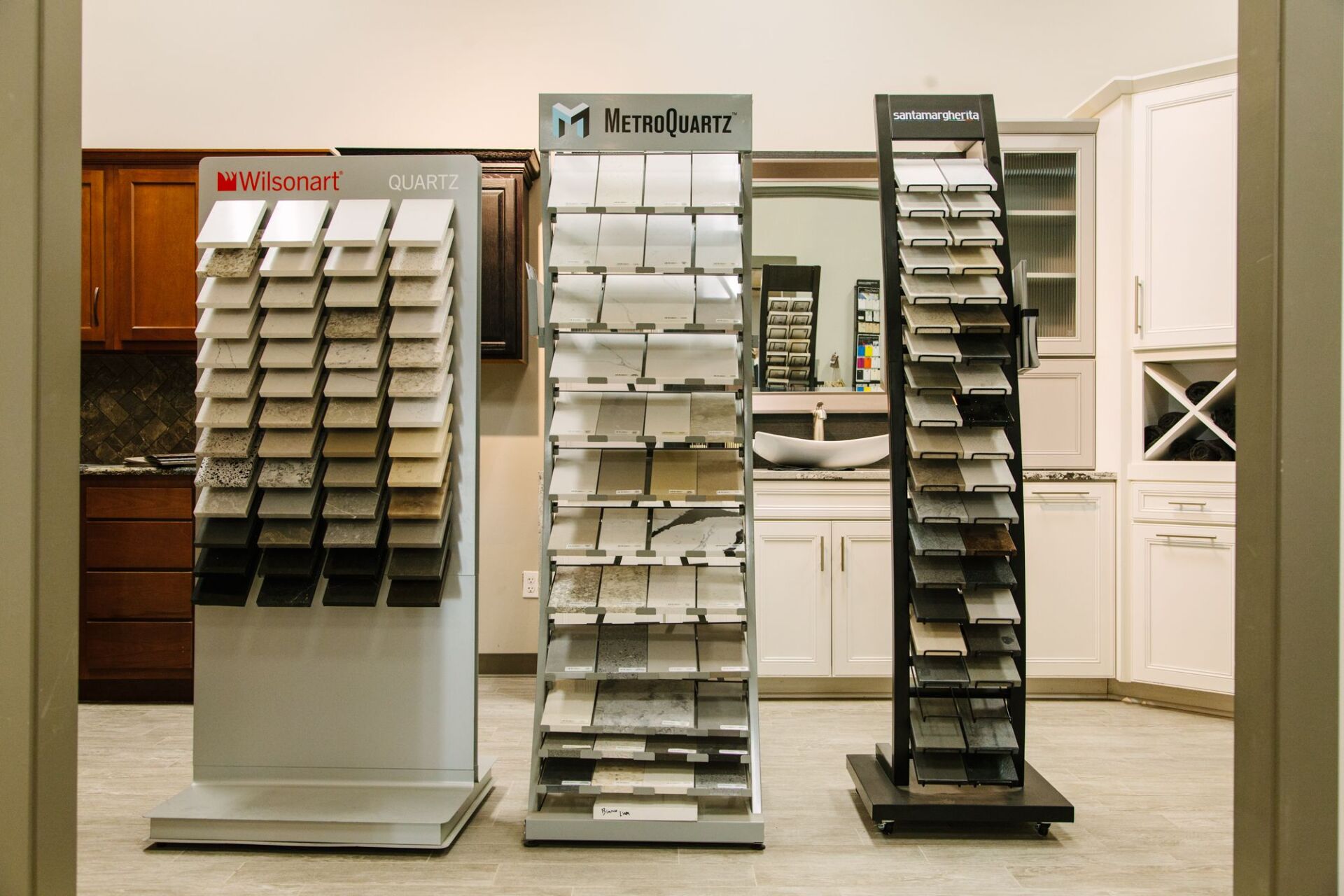
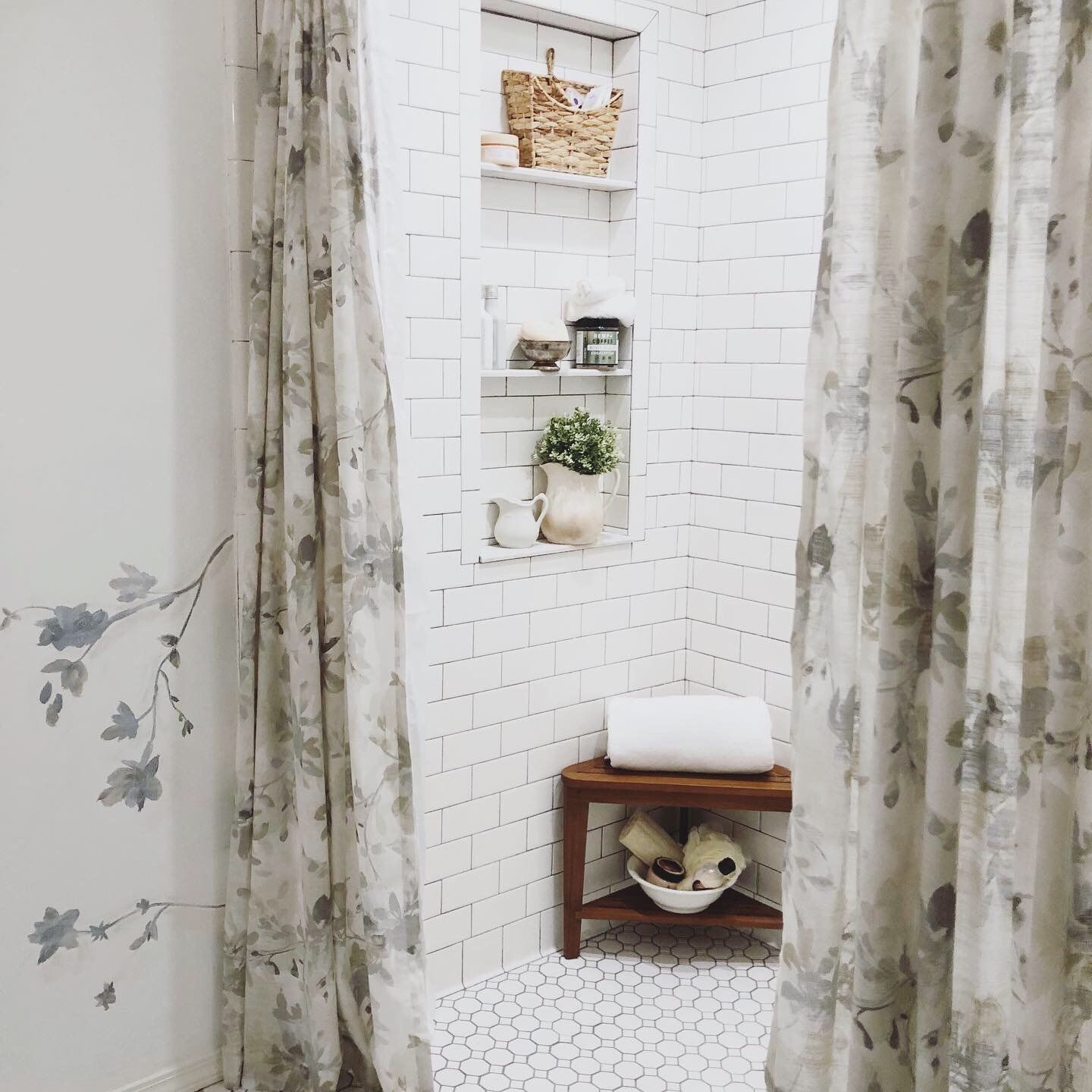
INTERIOR PRODUCTS
INTERIOR PRODUCTS -
![]()
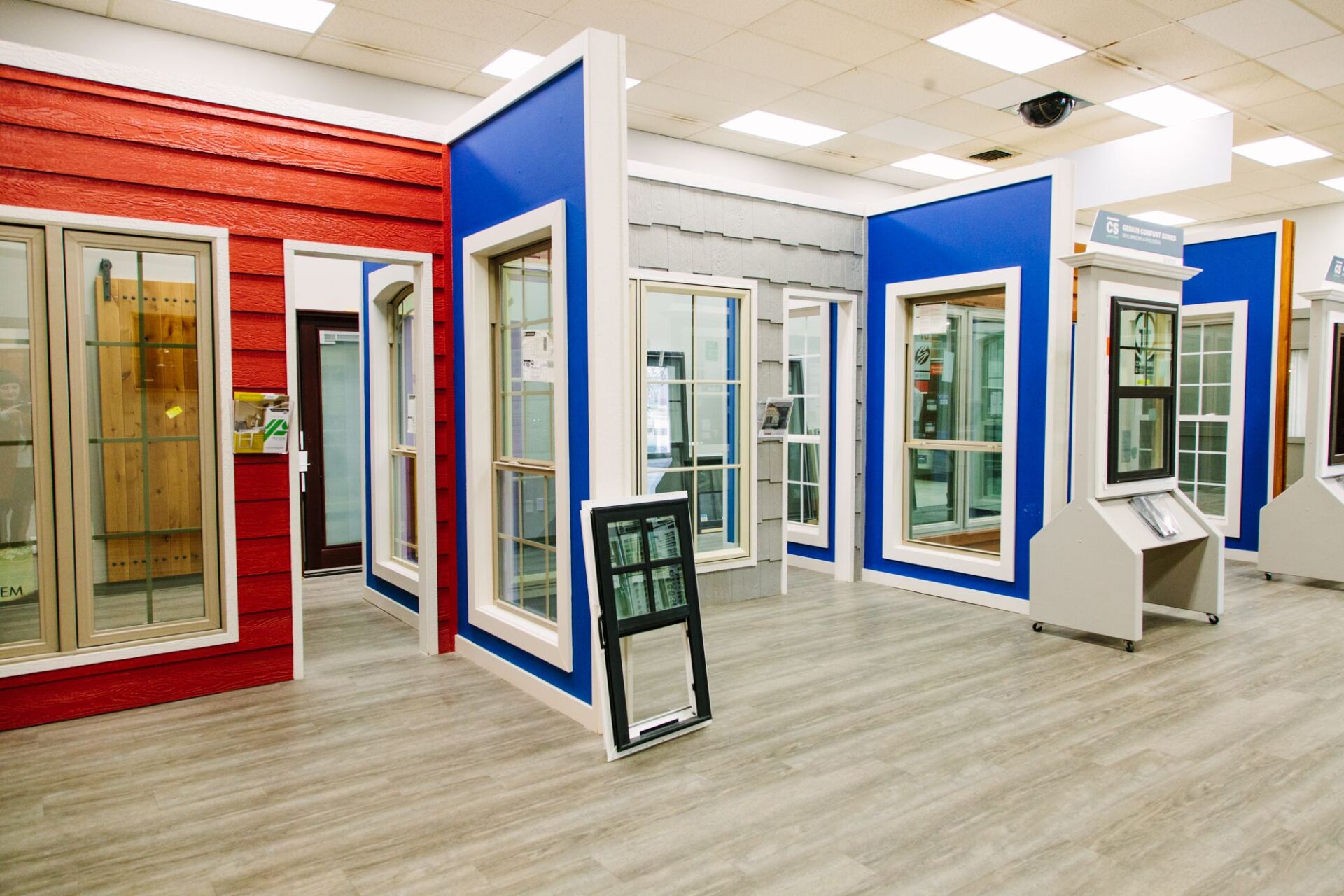
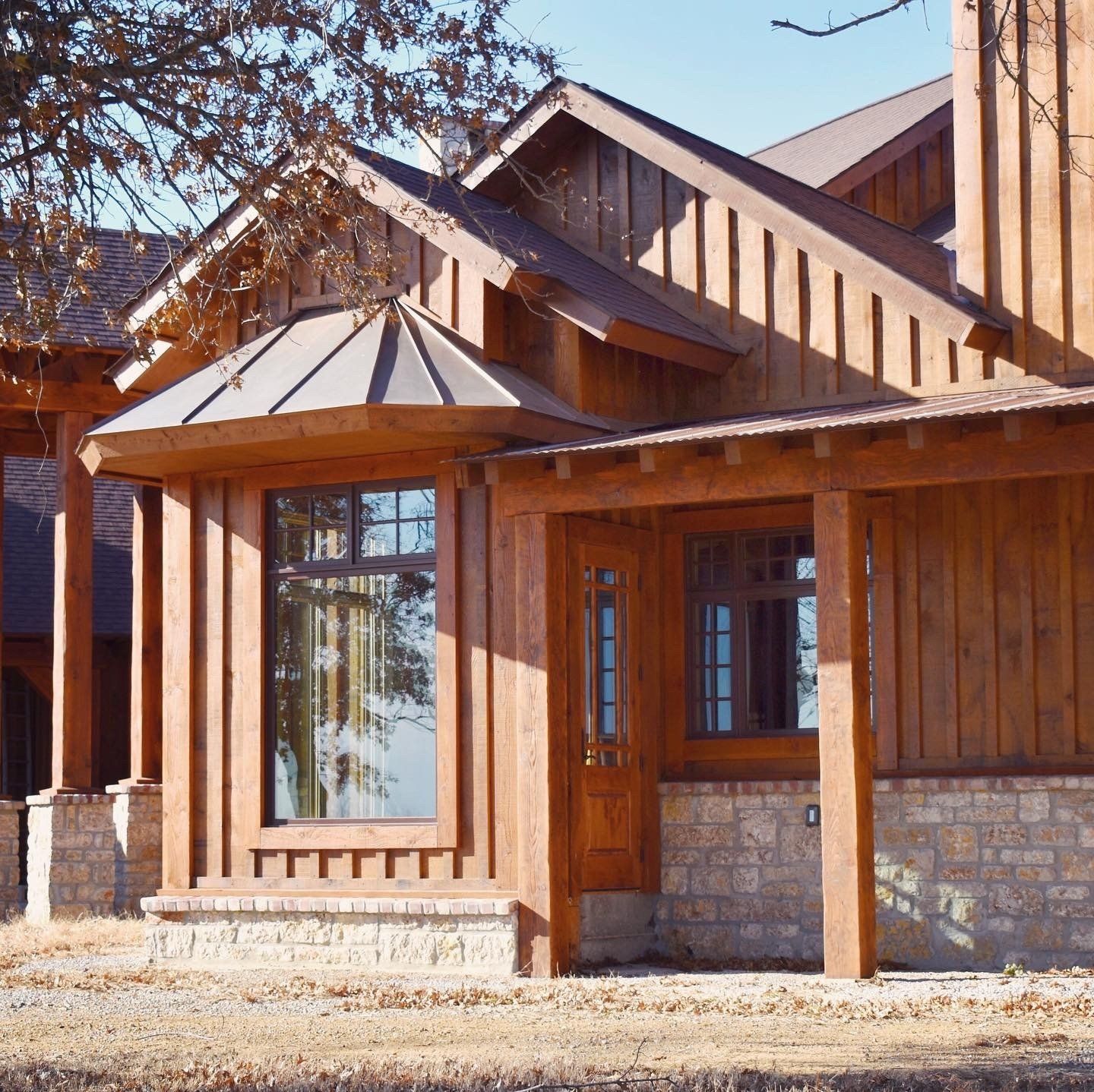
EXTERIOR PRODUCTS
EXTERIOR PRODUCTS -
![]()
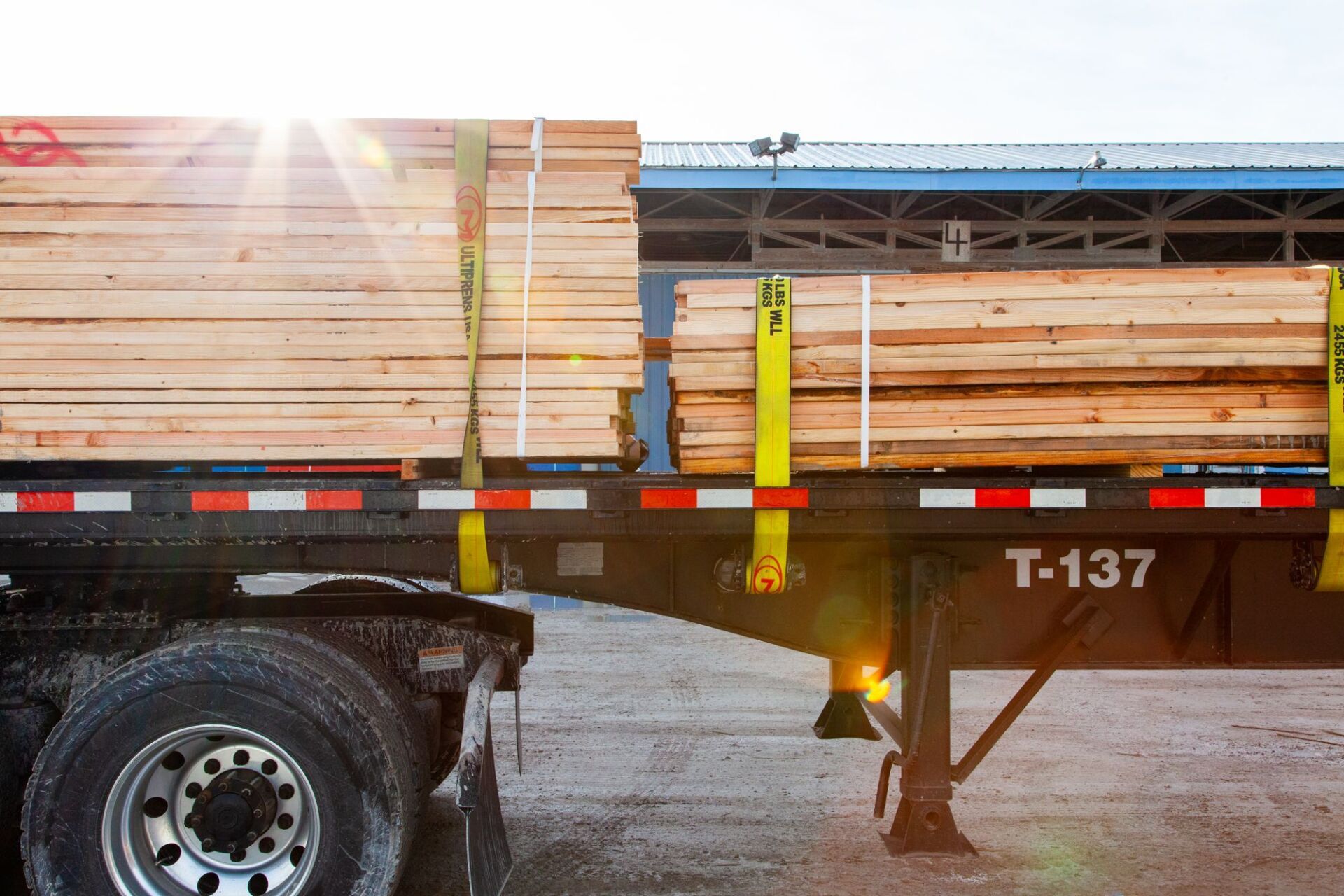
LUMBER & BUILDING MATERIALS
LUMBER & BUILDING MATERIALS
Professional Services
We understand the
needs of our customers and carry the products required to meet them while delivering on time, every time.
JOB
ESTIMATES
MATERIAL TAKEOFFS
DELIVERY SERVICES
INSTALLATION SERVICES








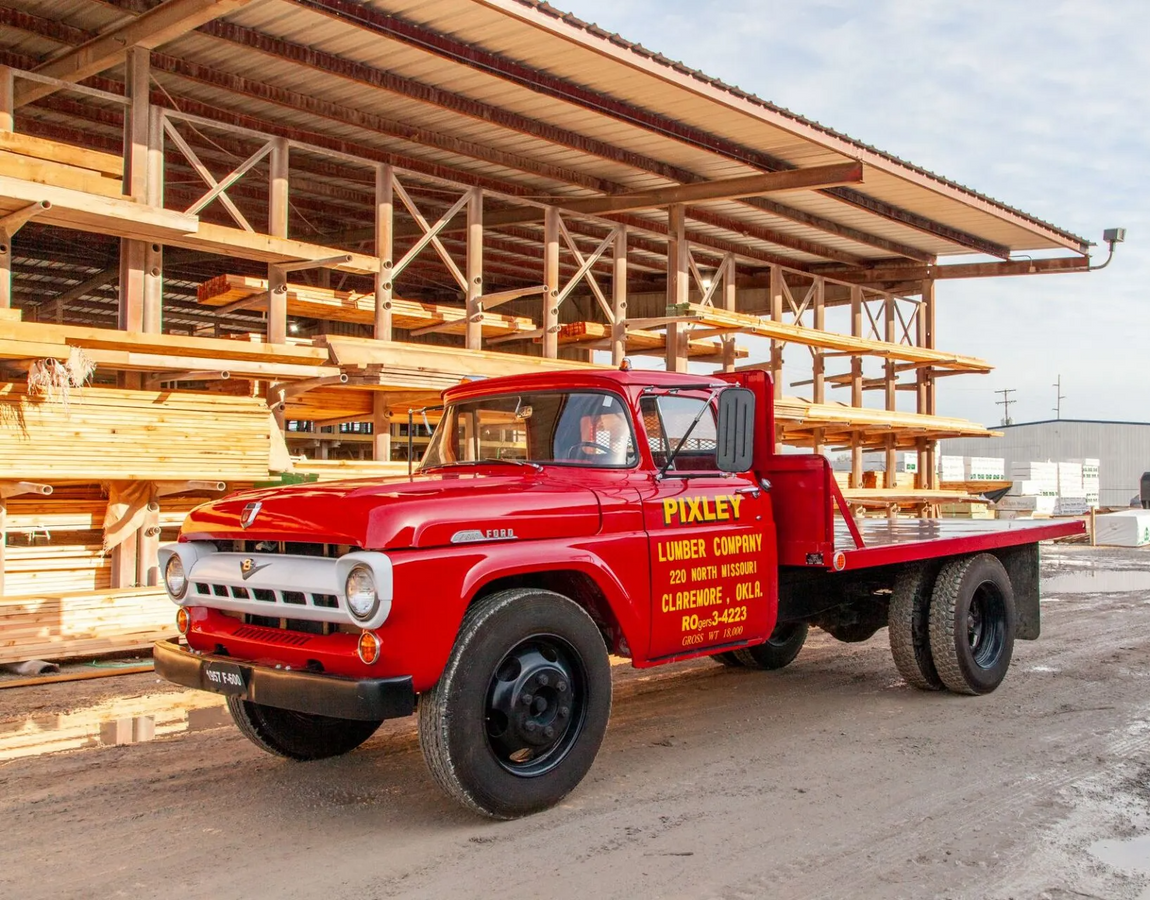
Pixley Lumber Company was established in 1963 by its founder, F. Warren Pixley. An officer in the United States Navy during World War II and a graduate of Oklahoma A&M College, Pixley left Long-Bell Lumber Company after sixteen years of employment to begin his own business in a community poised for growth.
Company
Professional Services
Copyright © 2021 Pixley Lumber Company |
Privacy Policy